Art and artists
Art and artists
For 250 years, we have been run by leading artists and architects, and nurturing the next generation in the RA Schools. Our Collection tells their story. Explore it online here.
-
-
Our art and artists online
We’ve recently restructured how we present our artists and Collection online and we’d love to know what you think.
We’ve redesigned our search, our artist pages and our pages for paintings, sculptures, artists’ letters and books and brought these into the heart of the RA website. You’ll now see the Collection popping up all across the site. You’ll also find bigger images and these are available to download wherever possible on a Creative Commons licence.
-
Your search starts here
You can search across the RA Collection, including our archive and library. Try searching for an artwork, or looking for a colour, medium or technique. You can also discover all of the artists (Royal Academicians) who have run the Academy since its foundation in 1768 to the present day.
If you’re looking for something more specific, you can search just our artworks, books, archive or names (artists, people or organisations associated with our Collection).
-
Want a more visual way in?
Not every journey starts with a search. We’ve made it easy to explore our collection by using data to draw connections between different artists, media, moods or colours. Start your exploration anywhere and see where you end up.
-
-
return to start
Start exploring the RA Collection
read more- Explore art works, paint-smeared palettes, scribbled letters and more...
- Artists and architects have run the RA for 250 years.
Our Collection is a record of them.
-
The Royal Academy and the great public collections are not just art galleries. They are huge repositories of free speech and free thinking.
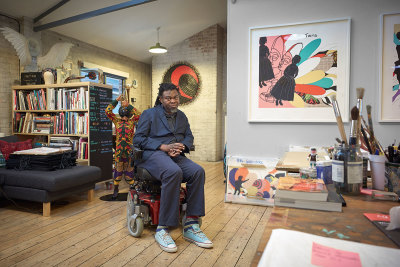
Bob and Roberta Smith RA
-
-
Our Collection
Ever since the Royal Academy was founded in 1768, we’ve been collecting artworks, books and artistic materials. Every artist and architect that’s been elected to join us as a Royal Academician has donated an example of their work, known as a Diploma Work, to our Collection.
Our Collection spans 250 years of British art, from Constable and Turner to Hockney and Emin. It now contains about 935 paintings, 350 sculptures, 700 plaster casts, 25,000 prints and drawings and 5,000 historic photographs. Some were acquired as teaching materials for the RA Schools, or simply to inspire the next generation of artists.
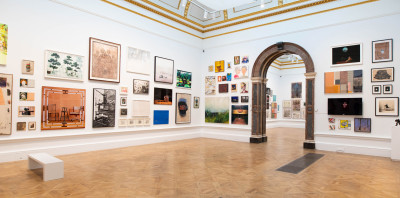
You’ll find works from our Collection on display in new public galleries throughout the RA.
![Thomas Gainsborough RA, Romantic Landscape with Sheep at a Spring]()
-

-
Meet the artists who lead the Academy
-
-
![Young people in the Collection Gallery at the RA]()
Highlights from the RA Collection
Our Collection Gallery features highlights from the RA Collection. See work by leading early Academicians, together with many of the RA’s examples of earlier art, including Michelangelo’s Taddei Tondo, an almost full-size sixteenth-century copy of Leonardo’s Last Supper and casts of key classical sculptures, notably the Belvedere Torso.
Visit free displays around the RA, including architecture in the Ronald and Rita McAulay Gallery and a public project space for the RA Schools in the Weston Studio.
-

-
Read more about our artists
-
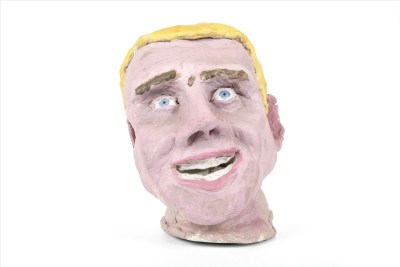
![Joe Lycett, Chris]()
RA Exhibitions
< 2 years ago
Nine eyebrow-raising moments from the Summer Exhibition
From the time we rejected Banksy to Turner’s “gunshot in the gallery”, the Summer Exhibition has regularly ruffled the feathers of British art in its 254 years. Here are some of our favourite moments!
-
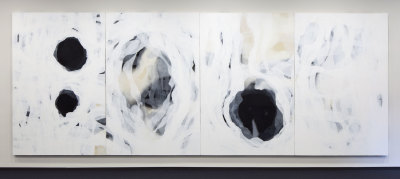
![Ian McKeever , Marianne North No.1]()
RA Exhibitions
2 years ago
Whistler’s whites: creating presence with a pared down palette
The colour white can be as challenging for the painter as the blank white sheet of paper is for the writer. Ian McKeever RA reflects on James McNeill Whistler’s ability to create form using one of the most elusive colours.
-
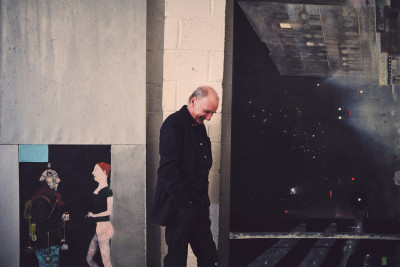
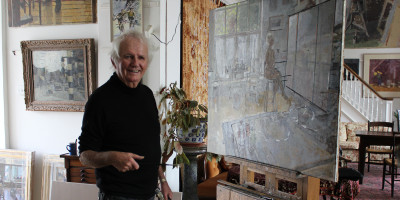
![Jock McFadyen in his studio]()
RA Exhibitions
2 years ago
Jock McFadyen RA: postcards from a post-apocalyptic future
Far from evoking the past, Jock McFadyen RA’s eerie paintings imagine a dystopian future, writes Matthew Beaumont, as he prepares to meet the artist for his RA show, ‘Tourist without a Guidebook’.
-
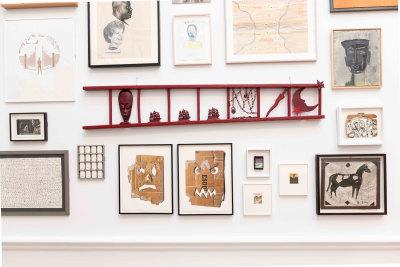
![Summer Exhibition 2021]()
RA Exhibitions
> 2 years ago
10 expert tips on visiting the Summer Exhibition
Faced with more than a thousand artworks, how can an art lover make the most of their annual pilgrimage to the Summer Exhibition? Veteran critic Mark Hudson draws from his professional experience to offer 10 useful pointers.
-
![David Hockney , No. 147 (detail)]()
RA Exhibitions
3 years ago
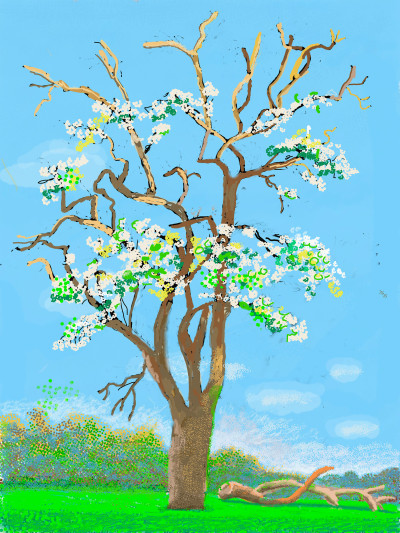
David Hockney: to Normandy via Yorkshire
Edith Devaney, curator of our upcoming David Hockney exhibition, explores how the artist harnessed springtime to explore the drama of nature, the process of grief – and the power of hope.
-
![After Johann Zoffany RA, The Royal Academy of Arts]()
RA Exhibitions
3 years ago
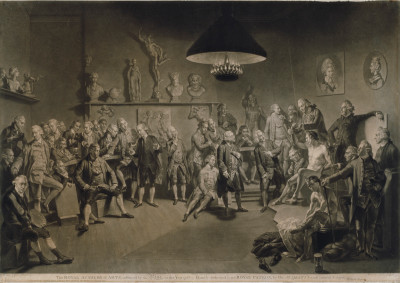
Mary Moser and Angelica Kauffman: the RA’s founding women
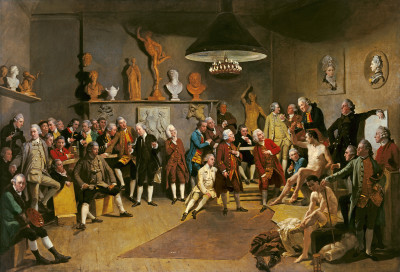
Angelica Kauffman and Mary Moser were the only two female founders of the Royal Academy. Here, we take a closer look at their careers and the challenges they faced within the RA.
-
![Diana Armfield, Last Nasturtium of the Season]()
Artists
3 years ago
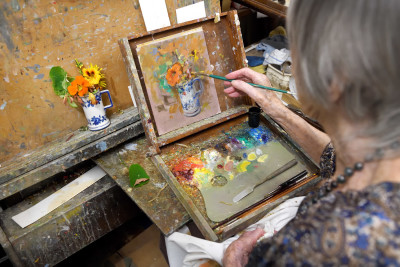
“Like a portrait painter with their sitters, I have the feeling of a real relationship with the flowers I paint”
100-year-old artist Diana Armfield RA writes about the joy of painting the flowers in her garden.
-
![Axel Rüger and Rebecca Salter headshot]()
Opinion
3 years ago
“It has never been more important that we play our part in the art community and the recovery ahead”
Covid-19 has pushed arts institutions to their limits. President of the Royal Academy, Rebecca Salter, and our Secretary and Chief Executive, Axel Rüger, reflect on the challenges faced by the RA.
-
![John Akomfrah RA]()
Artists
> 3 years ago
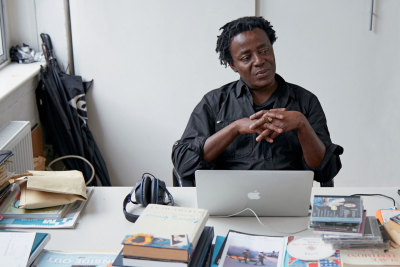
John Akomfrah RA on his artistic roots, upcoming London show, and being left-handed
Newly elected Royal Academician, John Akomfrah, has been exploring Black British life since the ‘80s. He tells us about being slammed in the press by Salman Rushdie and his love of Virginia Woolf.
-
![Antony Gormley, Lost Horizon I]()
RA Exhibitions
> 3 years ago
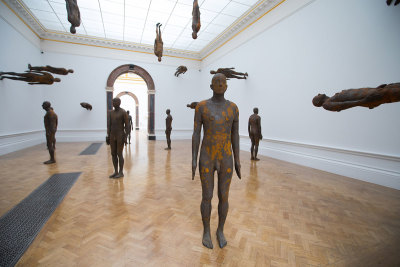
Revisiting the exhibition: Antony Gormley
Six tonnes of steel mesh, a gallery flooded with seawater, a body you could walk through and an experience like no other. Relive our 2019 Antony Gormley exhibition with behind-the-scenes videos, inspiration from the man himself and works from the show.
-
![David Parry , Summer Exhibition 2020]()
RA Exhibitions
> 3 years ago
Virtual tour: Summer Exhibition 2020
Explore the first ever winter Summer Exhibition like never before and discover a myriad of works by household names and emerging artists inside this virtual tour.
-
![Tracey Emin, Homage to Edvard Munch and All My Dead Children]()
RA Exhibitions
> 3 years ago
Munch’s influence on women artists
Art historian Patricia Berman traces Edvard Munch’s surprising influence on women artists, from Tracey Emin RA and Marlene Dumas Hon RA, to Louise Bourgeois and Maria Lassnig.
-
![Tracey Emin RA, A Feeling Inside]()
Artists
> 3 years ago
Hughie O‘Donoghue on celebrating Varnishing Day through collaboration
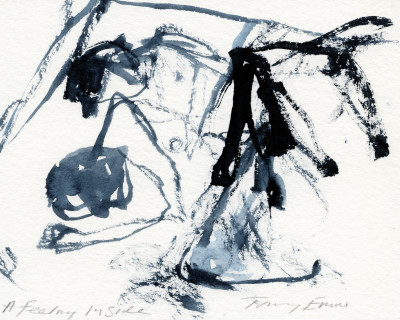
Hughie O’Donoghue RA discusses a new collaborative artwork – produced by Royal Academicians to raise funds for the Academy during this critical time.
-
![Carving tools lie on a block for Rebecca Salter's Japanese woodblock print "Tessela 1 and 2', on show in the Summer Exhibition 2016]()
Artists
< 4 years ago
19 pieces of creative advice from artists and architects
There’s no right way to be creative – but leading artists and architects have plenty of tips to get you started. We revisited some of our most popular interviews to share creative wisdom from Antony Gormley, our President Rebecca Salter, Lubaina Himid and many more.
-
![John Maine portrait]()
Artists
4 years ago
Video: John Maine RA on the impact of coronavirus on his new sculpture, ‘Turning Point’
In this video from our ‘Artists in Isolation’ series, John Maine RA talks us through the process of making a huge, stone sculpture for Salisbury town centre – and what happens when lockdown lands in the middle of it.
-
![Chris Orr headshot]()
Opinion
4 years ago
“For those of us who make a living out of our art, our future may be fragile.”
Artists work in isolation, but they do it under the belief that one day people will experience their work. For Chris Orr, it’s the isolation of everybody else that’s frightening…
-
![Stephen Farthing Headshot]()
Opinion
4 years ago
“We listen to the air-raid sirens sounding the start of curfew, as the sun disappears into Palestine.”
As part of our ‘Artists in Isolation’ series, Stephen Farthing RA describes life in locked-down Jordan – how he hopes to finish his next painting before lockdown ends, and how the local call to prayer has been louder since COVID-19.
-
![Phyllida Barlow]()
Artists
4 years ago
Digital premiere: watch the PHYLLIDA documentary
Enjoy this exclusive digital premiere of the film ‘PHYLLIDA’, a documentary portrait of the artist Phyllida Barlow RA. Released on her birthday, this film celebrates her pioneering contribution to the field of sculpture.
-
![Rebecca Salter PRA]()
Opinion
4 years ago
“Who knows how many new talents will pick up a pencil, brush or iPad in isolation?”
These are difficult times for everyone – but art thrives in a crisis, says Rebecca Salter PRA, as we launch a new series of artists and architects documenting their creativity in isolation.
-
![Gustave Courbet, The Cliffs near Étretat (detail)]()
RA Exhibitions
4 years ago
Four artists on their favourite Impressionist paintings in the Ordrupgaard Collection
The Impressionists are renowned for their enduring scenes of people and places, whether energetic seascapes or portraits of young women. Four artists – Hughie O‘Donoghue RA, Maggi Hambling, Ishbel Myerscough and Mali Morris RA – describe works that resonate with them in our upcoming exhibition ‘Gauguin and the Impressionists’.
-
![Rebecca Salter PRA]()
Inside the Academy
> 4 years ago
Rebecca Salter PRA: the first female President of the Royal Academy of Arts
In an historic vote, the leading painter and printmaker, Rebecca Salter, has been elected the RA’s 27th – and first female – President.
-
![Rebecca Salter RA]()
Artists
> 4 years ago
Rebecca Salter PRA: “Do not tell young people they can’t do things”
Meet Rebecca Salter PRA – the first female President in the RA’s 251-year history. Speaking in 2017 upon her election as Keeper of our Schools, she talks art and the next generation, trying a new culture and swimming in the winter.
-
![Grayson Perry in The Sackler Wing of Galleries, part of the 250th Summer Exhibition]()
RA Exhibitions
< 6 years ago
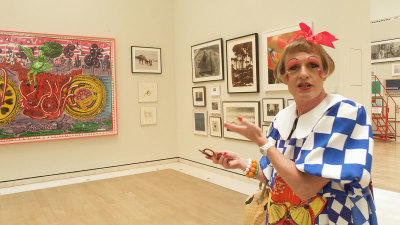
Video: Grayson Perry inside the Summer Exhibition
Take a look inside the 250th Summer Exhibition in this video with coordinator Grayson Perry RA, as he shows us some of his highlights of this year’s show.
-
![David Chipperfield RA]()
Inside the Academy
< 6 years ago
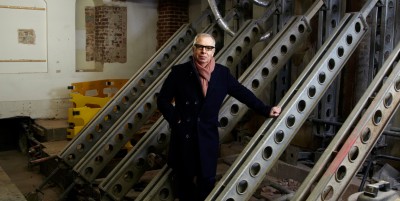
David Chipperfield: “Architecture is the background”
As the Royal Academy opens its doors after a major redevelopment to mark our 250th birthday, we caught up with its architect, David Chipperfield RA, to hear about his vision for the new RA.
-
![Eva Rothschild RA in her studio, London, 2018]()
Artists
6 years ago
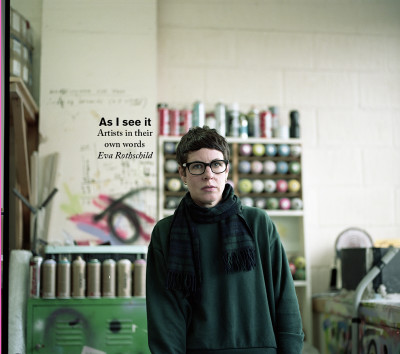
Eva Rothschild RA: “making things feels political”
With news that the Irish artist has been selected to represent her country at the 2019 Venice Biennale, we meet Eva Rothschild in her London studio to talk being a sculptor, parent and feminist.
-
![Installation view of Tracey Emin's 'I Want My Time With You' at St Pancras Station]()
RA Exhibitions
6 years ago
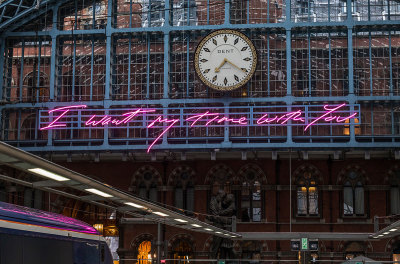
Video: Tracey Emin RA on her largest-ever text piece
Hanging from the vast Victorian glass roof of St Pancras International, I Want My Time With You is the latest in the Terrace Wires public art series. In this video, Tracey Emin discusses the origins of the work and why she chose these particular words.
-
![Early morning. The Artists set out for breakfast at Jeff's Café in nearby Brune Street. Seated are the Artist's friends George Crompton and Tara McKerr]()
Artists
> 6 years ago
Eight things to know about Gilbert & George RA
With a new show at White Cube Bermondsey, the artistic duo tell us eight things about their lives, art, fame, bigots, liberals, Brexit, and their favourite East End Turkish restaurant.
-
![Albert Irvin RA, Sky]()
RA Recommends
> 6 years ago
“Like a bomb going off”: how Albert Irvin found abstraction
In the 1950s when British painter Albert Irvin RA caught a glimpse of the explosive New York Abstract Expressionism scene, he abandoned his still-lifes and began conjuring pure sensation and emotion on his canvases. A new show at Whitford Fine Art looks at these early forays into abstract work.
-
![Portrait by David Vintiner]()
Artists
> 6 years ago
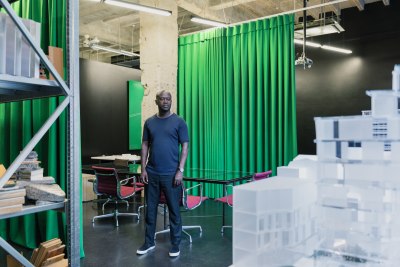
In the studio with David Adjaye RA
The international architect talks art collections, local communities and working for the disempowered at his London studio.
-
![Bill Woodrow RA , Fingerswarm]()
Our Collection
> 6 years ago
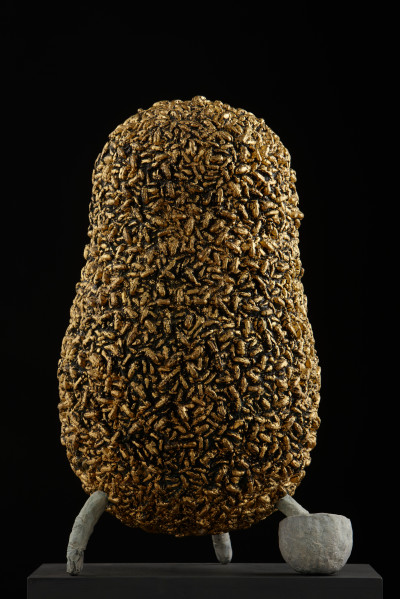
How to read it: Bill Woodrow RA’s Fingerswarm
Bill Woodrow RA’s Fingerswarm is part of a new display of sculpture curated by Richard Deacon RA. Woodrow held a swarm of bees on his bare hand at a beekeeping course, sparking the idea for this surreal sculpture.
-
Artists
> 6 years ago
Richard Rogers on working with Renzo Piano: “His poet’s soul brought us through”
As Renzo Piano celebrates his 80th birthday, close friend and fellow Academician Richard Rogers looks back at what it was like to work together on one of the 20th century’s most iconic buildings – the Pompidou Centre in Paris.
-
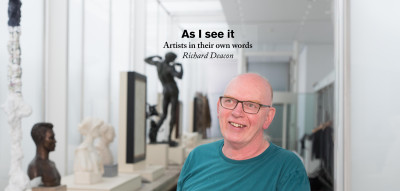
![Richard Deacon RA in front of his sculpture installation, made up of works from the RA Collection]()
Artists
< 7 years ago
Richard Deacon: “Don’t depend on other people’s affirmation”
Turner Prize-winning artist Richard Deacon RA talks obsessive collecting, ambiguous titles and finding the interest in everything.
-
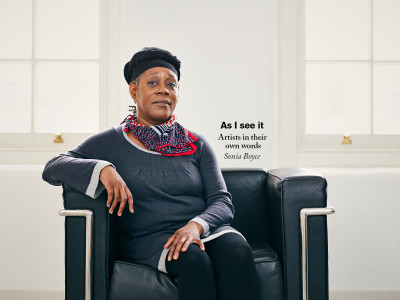
![Sonia Boyce RA: As I see it]()
Artists
< 7 years ago
Sonia Boyce: “If we can go to Mars, we can send more kids to art school”
Currently preparing for her retrospective at Manchester Art Gallery, artist and educator Sonia Boyce is the latest to reflect on art, life and lessons learnt in our ‘As I see it’ series. She talks tuition fees, a love of Liberty and why we should all be prepared to dream of something different…
-
![Inside the studio of Michelle Dow, an artist exhibiting in the Summer Exhibition 2017]()
Artists
< 7 years ago
Studio life: tips from the Summer Exhibition artists
As part of our season exploring artists’ studios, we asked the artists of the 2017 Summer Exhibition – from Royal Academicians to first-time exhibitors – to give us a peep inside their working space, and to share their secrets for a successful studio practice.
-
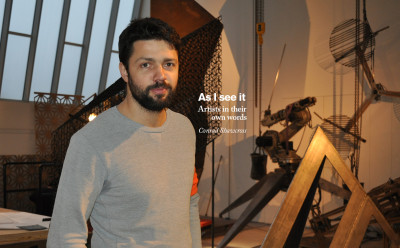
![Conrad Shawcross in his studio]()
Artists
< 7 years ago
Conrad Shawcross: “For the first time I see the political potential in my work”
With his new 16-metre installation suspended above commuters at St Pancras International, London-born sculptor Conrad Shawcross talks activism, optical illusions and why he likes a bit of trapeze.
-
![Eileen Cooper in her Keeper's House studio]()
Artists
< 7 years ago
Eileen Cooper: “Artists love to say they’re unique. We’re not”
With two solo shows this year, her final months as the Keeper of the Royal Academy Schools and the job of coordinating this year’s Summer Exhibition, it’s a busy time for Eileen Cooper. In the latest in our ‘As I see it’ series, the artist talks bad reviews, good dogs, and what she’ll do once all this work is done.
-
![Tony Cragg, Points of View]()
Artists
7 years ago
Tony Cragg: “sculpture is a vital sign”
How do you make work indoors that’s destined for a life outdoors? With the opening of his exhibition at Yorkshire Sculpture Park, the artist discusses the realities of making art surrounded by rats, sunshine and Henry Moore.
-
![Gary Hume RA in the RA's Life drawing room]()
Inside the Academy
7 years ago
“It’s like making a garden” – Gary Hume RA on printmaking
He shot to fame as a painter, but for the past 20 years Gary Hume RA has also made prints. Amy Macpherson visits him at the RA Schools’ print workshop ahead of his selling show in the Keeper’s House.
-
![Antony Gormley outside his studio]()
Artists
> 7 years ago
Antony Gormley: “We need art more than ever”
In our new series, artists reflect on art, life and lessons learnt. Here, Antony Gormley RA explains how he first found his subject, why the arts are vital in education and why he’s ashamed of Brexit.
-
![Way Out West Berlin (Detail Section at L at Stage E)]()
Artists
> 7 years ago
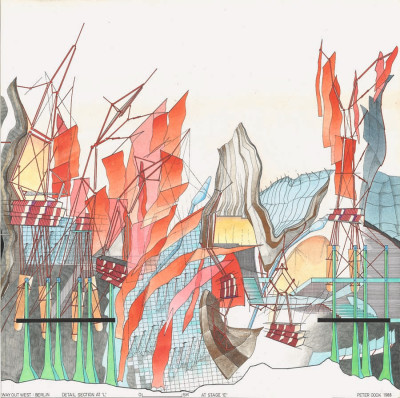
Cities of dreams: Peter Cook RA on the importance of imagination
As the Academy stages a show of Peter Cook RA’s drawings to mark his 80th birthday, Kate Goodwin asks the architect about his vision for urban ways of life.
-
![Summer Exhibition Installation 2016]()
RA Exhibitions
< 8 years ago
Summer Exhibition 2016 prizes announced
David Nash RA announced as winner of the Charles Wollaston award.
-
![Johann Zoffany RA, The Academicians of the Royal Academy]()
Opinion
< 8 years ago
Hidden from history: the Royal Academy’s female founders
While the past decade has seen more female artists becoming Academicians, they have been a rare sight for much of the RA’s existence, and were even excluded from Zoffany’s famed painting of the Academy’s founders. Historian Amanda Vickery delves into the archives to discover the pioneering women who wielded the brush.
-
![Leonard Manasseh RA]()
Artists
< 8 years ago
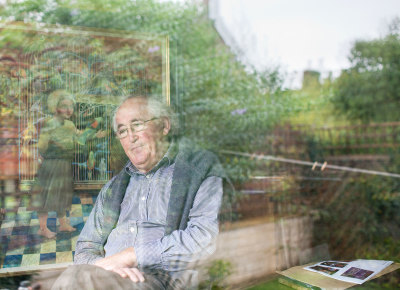
Architect Leonard Manasseh at age 100
As Leonard Manasseh becomes our first centenarian Royal Academician, his cousin, the architectural historian Timothy Brittain-Catlin, takes a look at a career of over 80 years.
-
![Yinka Shonibare RA in his studio]()
Artists
8 years ago
In the studio with Yinka Shonibare RA
As Yinka Shonibare RA prepares to wrap the Academy’s Burlington Gardens façade in his bold designs, Fiona Maddocks visits the sculptor at his warehouse studio in east London.
-
![Barbara Rae RA]()
Artists
> 8 years ago
10 minutes with… Barbara Rae RA
The artist tells us why she is inspired by Arctic explorations and the Scottish coastline in winter light.
-
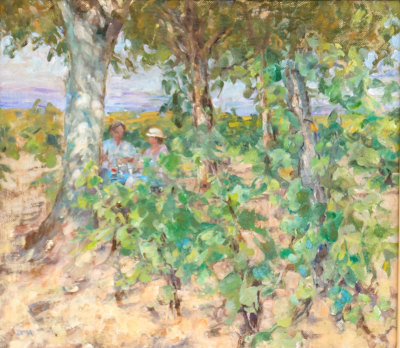
![Diana Armfield RA, Picnic Among the Vines, South of France]()
Artists
> 8 years ago
Painting their life: Diana Armfield and Bernard Dunstan
Royal Academician Diana Armfield tells us about a creative partnership that has stood the test of time.
-
![Screenshot from the video 'Fred Cuming RA: Portrait of an Artist']()
Artists
> 8 years ago
Fred Cuming RA: portrait of an artist
Fred Cuming RA reflects on his long career as a painter in this short film, shot in and around his East Sussex home.
-
![Piers Gough]()
Artists
> 8 years ago
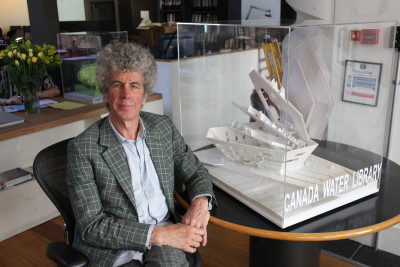
My studio life: Piers Gough RA
As Piers Gough RA guides us round his practice in Clerkenwell, he tells us what it was like to work with Paul Smith, and what it really takes to be an architect.
-
![Christopher Le Brun, President of the Royal Academy gives a speech]()
RA Exhibitions
< 9 years ago
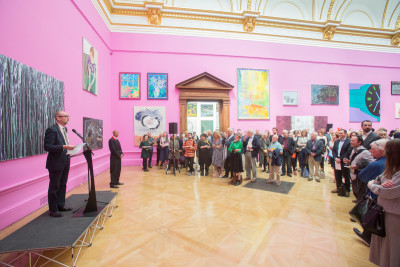
Summer Exhibition 2015 prizes announced
Rose Wylie RA announced as winner of the Charles Wollaston award.
-
![Michael Craig-Martin RA in his studio, 2014 (detail)]()
Artists
< 9 years ago
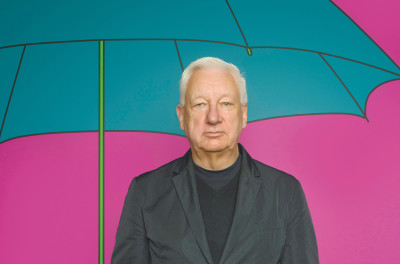
Michael Craig-Martin, man for all seasons
As Michael Craig-Martin RA co-ordinates this year’s Summer Exhibition, the Curator and Head of the RA Schools Eliza Bonham Carter discovers in a new book what makes this leading artist and teacher tick.
-
![Jackson Pollock, Number 5 (detail)]()
Opinion
< 9 years ago
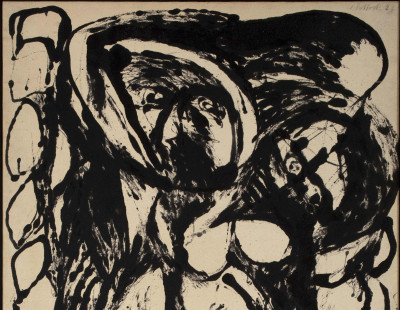
Jackson Pollock: pouring his art out
Leading abstract painter Frank Bowling RA welcomes a major show that reassesses Jackson Pollock’s black pourings.
-
![Albert Irvin RA by James Hunkin, 1999]()
Artists
9 years ago
Remembering Albert Irvin RA
Basil Beattie remembers his friend and fellow Academician, the painter Albert Irvin RA, who has died at the age of 92.
-
![Robert Clatworthy RA]()
Artists
9 years ago
Remembering Robert Clatworthy
A key figure in a group of sculptors who emerged in the 1950s, we look back on the career of Robert Clatworthy, who has passed away aged 87.
-
![Rebecca Salter RA in her London studio]()
Artists
9 years ago
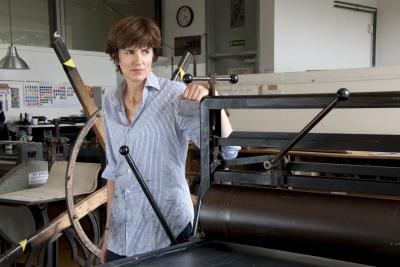
10 minutes with… Rebecca Salter RA
Each month, we have a quick chat with one of our Academicians to find out what they’re up to and what the RA means to them.
-
![John Singer Sargent RA, Carnation, Lily, Lily, Rose (detail)]()
Artists
9 years ago
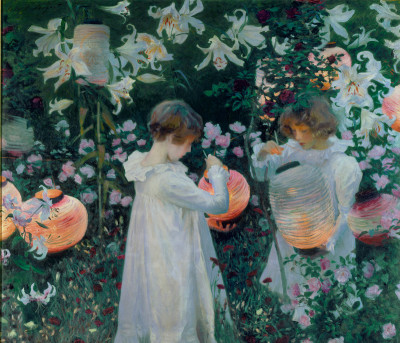
The story behind John Singer Sargent RA’s ‘Carnation, Lily, Lily, Rose’
With an exhibition of paintings by John Singer Sargent at the National Portrait Gallery, we take a look at one of this Royal Academician’s most famous works.
-
![Mick Rooney RA]()
Artists
> 9 years ago
The wizard of Oxfordshire: in the studio with Mick Rooney RA
Behind garage doors at his Cotswolds home, Mick Rooney RA conjures a magical world on canvas.
-
![Installation shot shows: 'The Hand', 2012, Traditional casting wax and flock base artwork, Courtesy the artist and Maureen Paley, London AND 'Me as Arbus', 2008, Bromide afdruk | Bromide print, Collectie De Hallen, Courtesy the artist and Maureen Paley, L]()
Artists
> 9 years ago
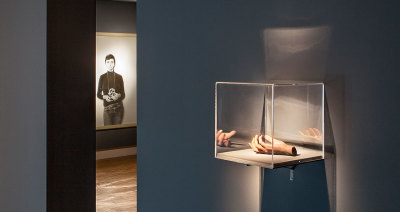
Behind the mask: Gillian Wearing RA
Shortlisted for a major European art award, the Royal Academician tells us about her recent work on show in The Hague.
-
![Frank Bowling RA]()
Artists
> 9 years ago
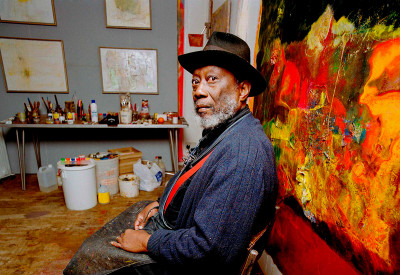
10 minutes with… Frank Bowling RA
Each month, we have a quick chat with one of our Academicians to find out what they’re up to and what the RA means to them.
-
![There are some very early works from her pre-abstract period when she painted from life, as well as some delightful photographs of Sandra]()
Artists
> 9 years ago
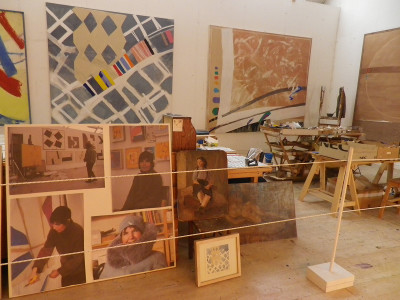
A look inside the studio of Sandra Blow RA
As abstract art pioneer Sandra Blow RA is celebrated by two Cornwall shows, Jonathan Grimble and Denny Long from her Estate give us a tour of her atmospheric studio space in St Ives.
-
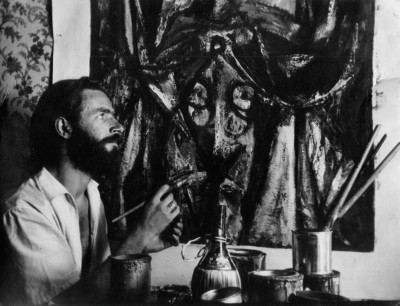
![Alan Davie painting in his studio in the 1940s]()
Artists
> 9 years ago
In Memoriam: Alan Davie RA
The Academician’s art dealer and lifelong friend remembers a life well lived.
-
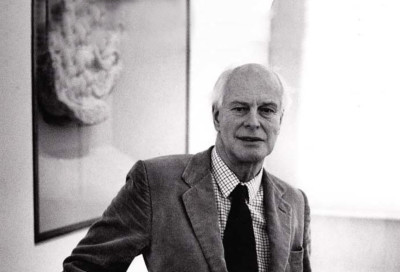
![Philip Dowson PRA]()
Artists
> 9 years ago
Remembering Sir Philip Dowson PRA
A few personal notes on a fellow architect and mentor by Sir Michael Hopkins RA.
-
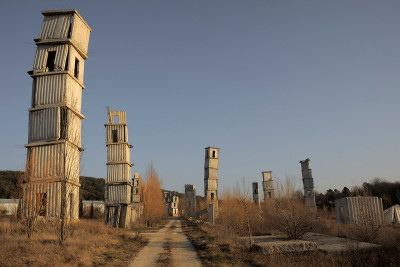
![Kiefer’s towers punctuate the parched landscape around Kiefer’s studio complex at Barjac in southern France, 2012]()
Artists
> 9 years ago
Behind the scenes: Anselm Kiefer’s studio at Barjac
In the lead-up to his major RA exhibition this autumn, we take a look inside the artist’s huge “gesamtkunstwerk” in the south of France.
-
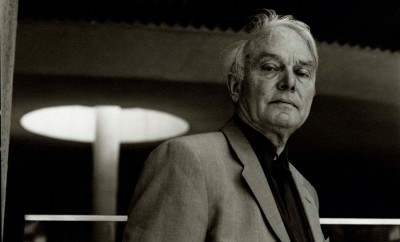
![Richard MacCormac RA]()
Artists
< 10 years ago
Richard MacCormac RA remembered
People from around the RA pay tribute to leading architect Sir Richard MacCormac, who has died aged 75 following a long illness.
-
![Zaha Hadid RA, The Peak Blue Slabs]()
Artists
< 10 years ago
Zaha Hadid RA on the influence of Malevich in her work
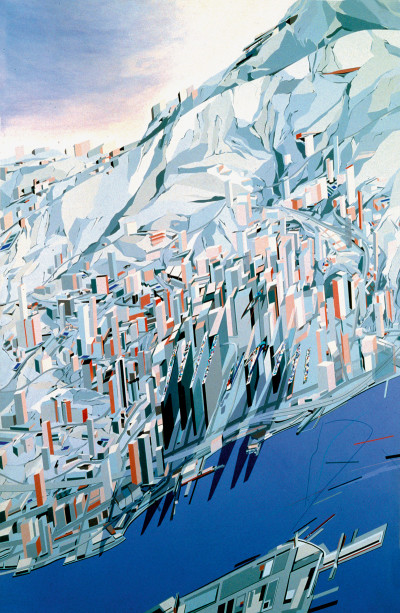
As a major Malevich show goes on view, Zaha Hadid RA reveals how her use of painting and drawing to develop buildings was inspired by the artist.
-
![David Remfry RA in front of his work at Fortnum and Mason]()
Artists
< 10 years ago
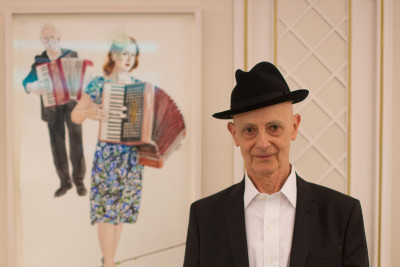
David Remfry RA’s watercolours at Fortnum & Mason
Painter Mick Rooney RA gives his own inimitable take on David Remfry RA’s witty watercolours, a new installation in the department store’s Diamond Jubilee Tea Salon.
-
![Tracey Emin RA, My Bed]()
Artists
< 10 years ago
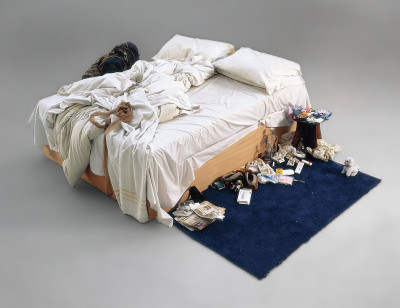
Tracey Emin talks about ‘My Bed’
Tracey Emin RA’s ‘My Bed’ (1998), one of the seminal works of the Young British Artist generation, goes up for sale at Christie’s on Tuesday 1 July.
-
![Emma Stibbon RA]()
Artists
< 10 years ago
10 minutes with… Emma Stibbon RA
Each month, we have a quick chat with one of our Academicians to find out what they’re up to and what the RA means to them.
-
![Ken Howard RA in his London studio]()
Artists
< 10 years ago
Paint inspiration: Ken Howard RA
Ken Howard RA’s range of interior paints created specially for the Royal Academy is inspired by his beloved Venice, a city where he has had a studio for the past 10 years.
-
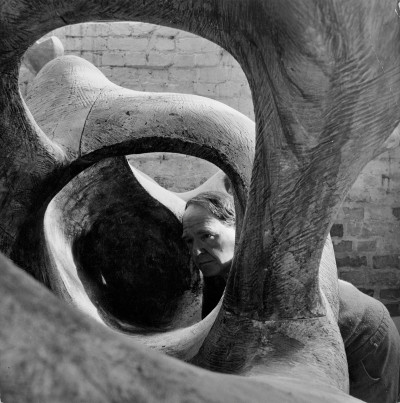
![Henry Moore with plaster for Reclining Figure: External Form (1953-54)]()
Opinion
< 10 years ago
Body and Void at The Henry Moore Foundation
A new exhibition juxtaposing the works of Henry Moore with those of Antony Gormley RA, Richard Deacon RA and Anish Kapoor RA, among others, shows the enduring influence of one of Britain’s most iconic sculptors.
-
![Red Alan by Grayson Perry RA, 2012]()
Artists
10 years ago
Red Alan’s Manifesto
A new artwork by Grayson Perry RA presents a special manifesto for the Royal Academy.
-
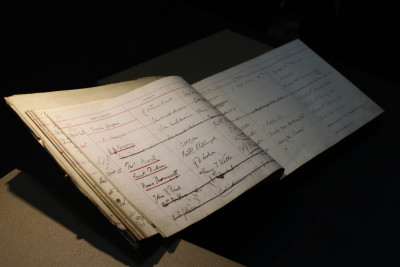
![The Nominations Book]()
Inside the Academy
10 years ago
How do Academicians get elected?
Recent years have seen a host of new innovations here at the RA, but the election process for new Academicians has hardly changed in almost 250 years. Here is how it all works.
-
![Will there be fewer fine artists in the future]()
Opinion
10 years ago
Will there be fewer fine artists in the future?
We put the question to Jennifer Zielinska, part of the RA’s attRAct programme, and Royal Academician and fine artist Cornelia Parker
-
![Jenny Saville RA]()
Artists
< 12 years ago
In the studio with Jenny Saville RA
The Academician talks with us from her current studio in Oxford.
-
![Gary Hume RA]()
Artists
> 12 years ago
In the studio with Gary Hume RA
The Academician’s Clerkenwell studio is cool, white and ordered - but in it Hume is a warm, unpretentious presence.
-
![Antony Gormley RA]()
Artists
< 14 years ago
In the studio with Antony Gormley RA
Get the vital statistics on the Academician’s studio, his work, and his relationship to the planet.
-